
Locations
From Location Scout to Location Lock: How to Choose the Right Place to Shoot
A beautiful location is not automatically a shootable location. Learn what to check for story, light, sound, access, permissions, power and schedule before locking it.
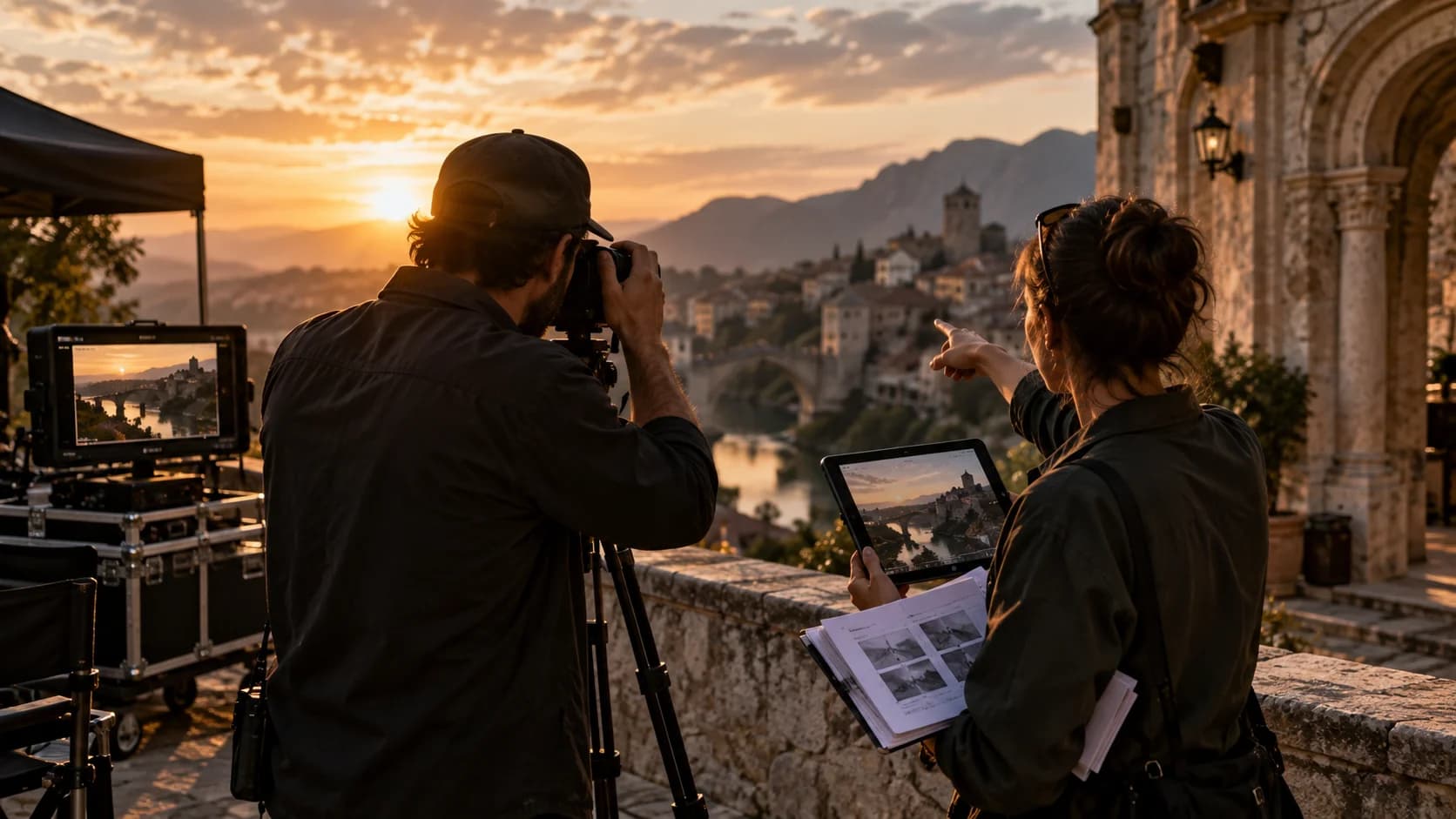
A location influences performance, blocking, sound, lighting, art direction, schedule and budget. The best location is not always the most visually impressive one; it is the place that supports the story and remains controllable enough to shoot.
Choose for story first
Ask what the location communicates before the actor says a line. Scale, architecture, texture, colour and depth all affect how the audience reads a scene.
Check how the camera can actually work there
Stand where the camera is likely to stand. Check lens distance, depth, reflections, unwanted signs and safe camera movement. Photograph multiple directions, not just the best angle.
Listen before you fall in love with the image
Traffic, generators, aircraft, construction, crowds, appliances and nearby music can make dialogue recording difficult. Visit at the same time of day you intend to shoot.
Study light and power
Notice sun movement, window direction, power availability and whether high-load lighting needs separate distribution. Natural-light plans also need weather alternatives.
Production access can decide the location
Check parking, loading, washrooms, holding areas, makeup space, meals, equipment security and safe access.
Get the lock in writing
Confirm dates, hours, fees, overtime, restrictions, power use, art changes, parking, public access and restoration requirements before calling the location final.
Final Take
A strong location lock balances story, control and logistics. When those align, the location becomes an asset instead of a problem the crew has to fight all day.